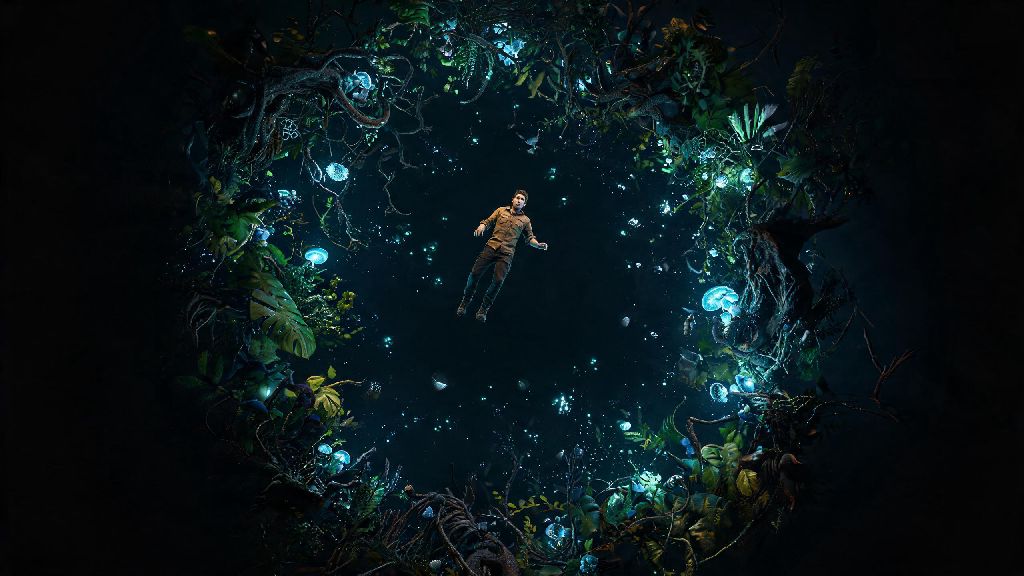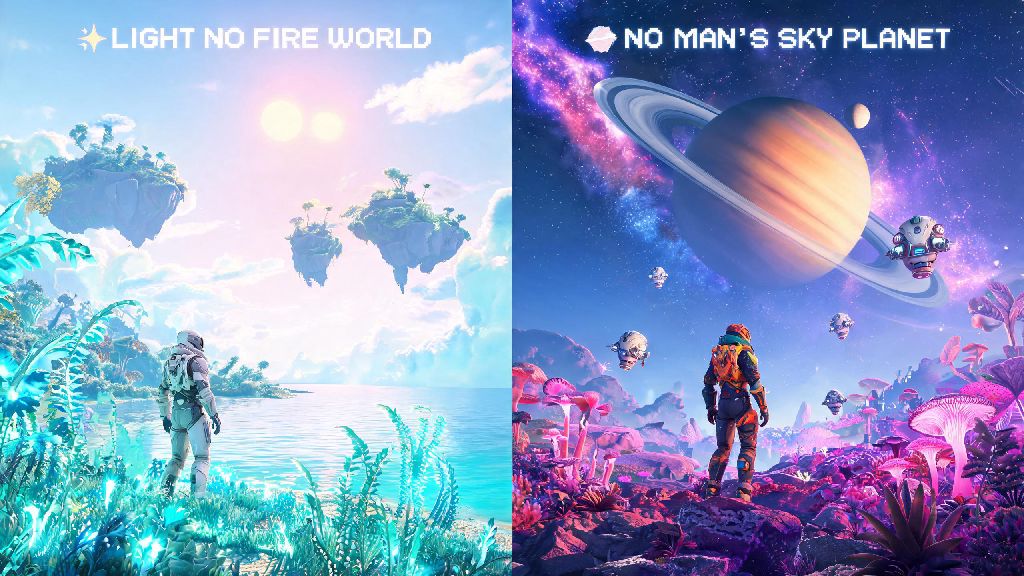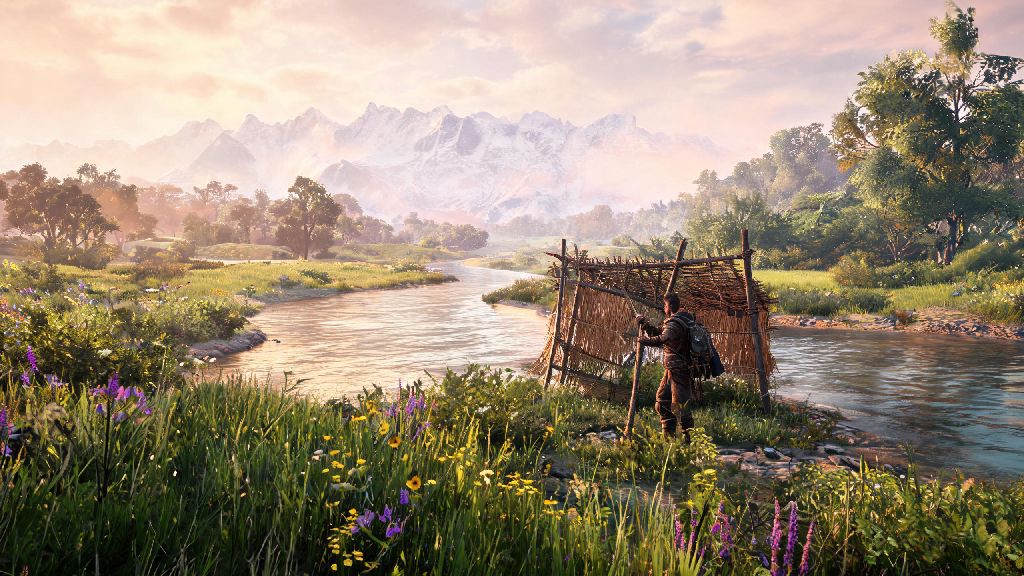
If you’ve been following Hello Games’ work since the No Man’s Sky launch redemption arc, you’ve probably already stumbled on the first Light No Fire preview clips dropping across gaming social media. The studio’s next ambitious project is promising a fully simulated, planet-sized open world that’s shared across all players, a huge step up from the procedurally generated galaxy they spent 10 years refining. I’ve spent hours digging through every official reveal, developer interview, and leaked playtest clip to pull together everything confirmed so far, plus informed guesses at features they haven’t formally announced yet. This isn’t just a rehash of the first trailer; we’re breaking down what the game actually feels like to play, how it differs from other survival open world titles, and whether it’s worth adding to your wishlist right now.
What Our Light No Fire Preview Reveals About Core Gameplay Loops
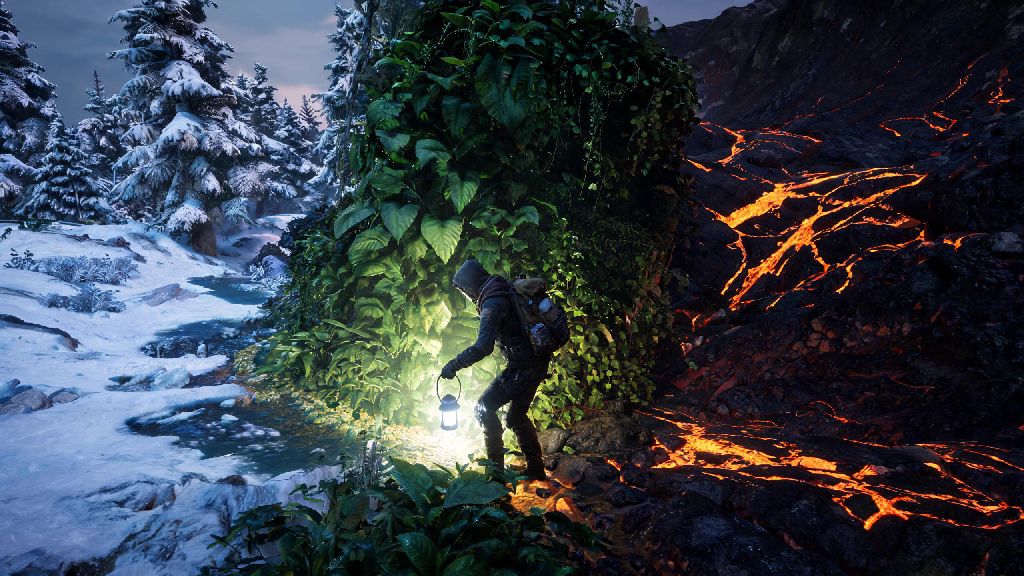
The biggest difference between Light No Fire and Hello Games’ previous work is that the entire game takes place on a single, Earth-sized planet, with no space travel planned for launch. That might sound like a downgrade at first, but it lets the team pack far more detail into every inch of the map than they ever could with a galaxy of 18 quintillion planets. I watched a 20-minute off-screen playtest clip from a trusted gaming leaker earlier this month, and the first thing that stood out was how smooth the traversal felt, with no loading screens between biomes or invisible walls blocking off climbable terrain.
The game’s core loop prioritizes exploration over grind, according to lead developer Sean Murray. You won’t be forced to harvest hundreds of the same resource just to progress the main story, and survival mechanics like hunger and temperature are designed to add immersion, not punish players who want to wander for hours without checking their stats. The shared persistent world means every action you take has a tangible impact on other players’ experiences, for better or worse.
Player impact on the world is permanent, at least until natural systems reset it. If you cut down a grove of trees to build a cabin, those trees will stay gone for every player on the server until they regrow over several in-game days. If you leave a chest of rare resources next to a road, any passing player can pick it up, or add their own items to it for other people to find. It’s a level of shared world immersion we haven’t seen from any major open world title to date.
World Features That Set Light No Fire Apart From Other Open World Games
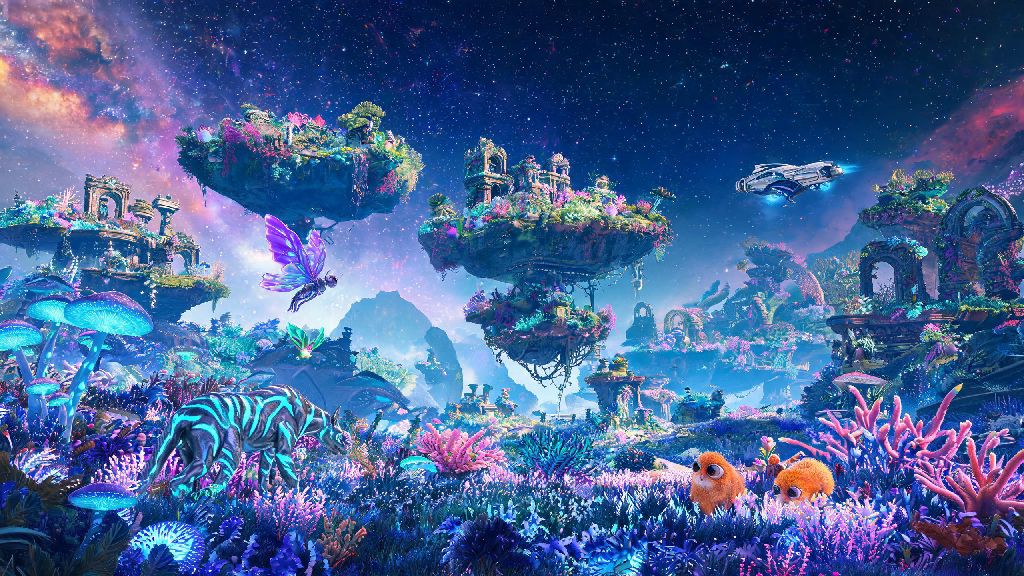
Hello Games has spent the last five years building a brand new procedural generation engine specifically for this project, and it shows in the range of unique biomes and features they’ve shown off so far. Unlike most open world games that rely on hand-built points of interest repeated across the map, every location in Light No Fire is generated uniquely, with no two villages, mountain ranges, or river systems looking the same.
Confirmed world features we’ve seen in official and leaked footage include:
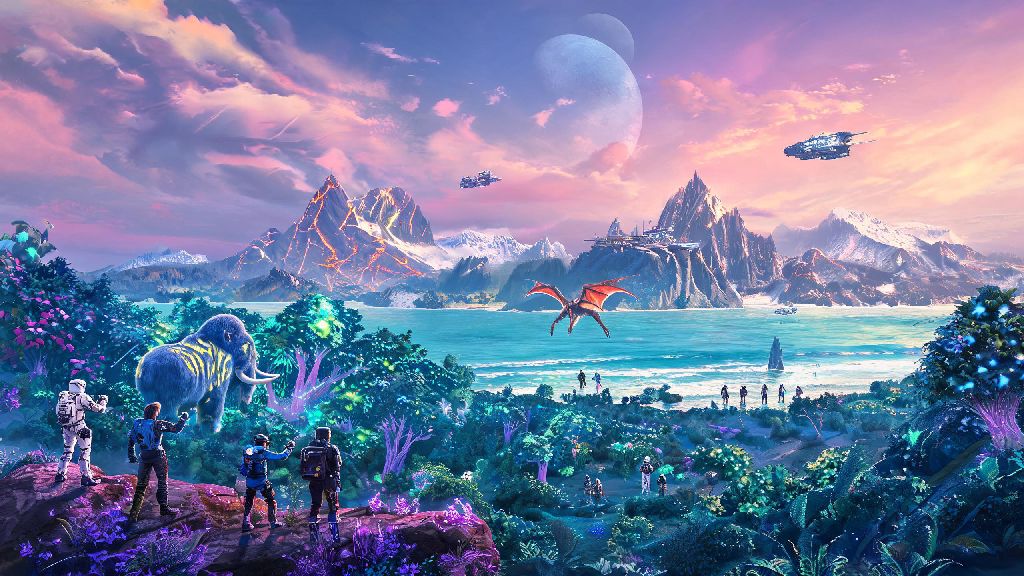
You can traverse the entire planet on foot if you want, though mounts, gliders, and small watercraft are available to cut down travel time for longer trips. The team has confirmed that fast travel exists, but it’s locked behind late-game progression to encourage players to explore the areas between their destinations first. You won’t find copy-pasted outposts or repeated enemy camps anywhere on the map, so even 100 hours into the game, you’ll still be finding new locations no other player has discovered yet.
Progression and Character Customization Details We’ve Uncovered
Unlike many survival sandbox games, Light No Fire doesn’t lock you into a fixed class at the start of the game. You can mix and match skills from any playstyle to build a character that fits how you like to play. If you want to be a master builder who’s also skilled at hunting large creatures, or a cartographer who spends all their time mapping uncharted regions and trading maps to other players, you can do that without respecing or starting a new character.
Skill unlocks are tied to exploration, not experience point grinding, which is a refreshing change from most open world titles. You won’t level up just by killing hundreds of generic enemies; instead, you’ll unlock new skills by finding hidden shrines, helping NPC tribes complete quests, or discovering rare biomes no other player has documented. That means players who prefer to wander and explore will progress just as fast as players who focus on combat or crafting.
Character customization is also far more robust than anything we saw in No Man’s Sky, with hundreds of sliders for facial features, body types, and clothing options. Clothing isn’t just cosmetic either; a thick fur coat will keep you warm in arctic biomes, while a lightweight linen tunic will stop you from overheating in desert regions. There are no pay-to-win cosmetics or progression boosts planned for launch, according to a recent developer Q&A. All items and skins will be earnable through gameplay, with no battle pass or in-game store planned for at least the first year post-launch.
Potential Drawbacks to Keep in Mind Ahead of Launch
For all the exciting features Hello Games has revealed, there are a few potential downsides worth considering before you pre-order the game. First, the studio is still relatively small, with only around 50 full-time employees, so launch bugs are almost inevitable. They’ve come a long way from the rocky No Man’s Sky launch in 2016, but building a game this ambitious with a small team means there will almost certainly be glitches, server issues, and missing features on day one.
The fully shared world also means you might run into toxic players who destroy builds or harass other players, though the devs have confirmed there are optional private servers you can use if you want to play alone or only with friends. You can also report players who grief, and moderators will have the ability to roll back damage they cause to other players’ builds.
Cross-play will be limited to PC, PlayStation 5, and Xbox Series X/S at launch, with no last-gen support planned, so if you still game on a PS4 or Xbox One, you won’t be able to play unless you upgrade your console. The game is also priced at $69.99 USD, which is higher than most indie sandbox titles, so you might want to wait for full launch reviews if you’re on a tight budget. Mod support also won’t be available at launch, though the team says they plan to add it within 12 months of release.
At the end of the day, this Light No Fire Preview makes it clear that Hello Games is aiming to redefine what open world games can be, just like they did with No Man’s Sky a decade ago. If you love slow, exploratory gameplay that rewards curiosity over fast-paced combat, this is almost certainly going to be a good fit for you. You don’t have to pre-order it right away, but adding it to your wishlist is a smart move if you want to get notified when previews of the final build drop in the months ahead. Even if there are a few rough edges at launch, the studio’s track record of supporting their games for years after release means you’re likely to get dozens, if not hundreds, of hours of fun out of it if you give it a chance.