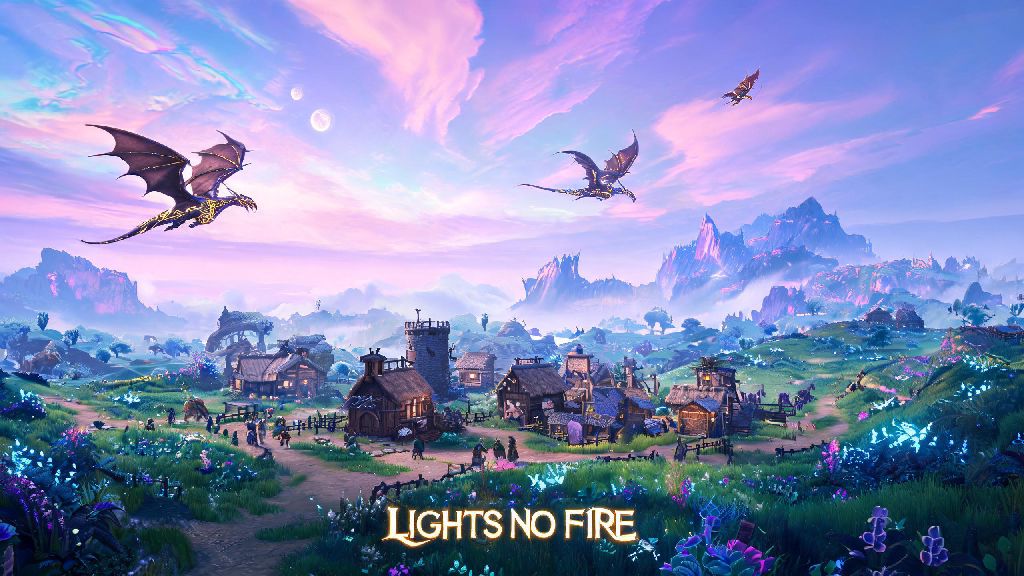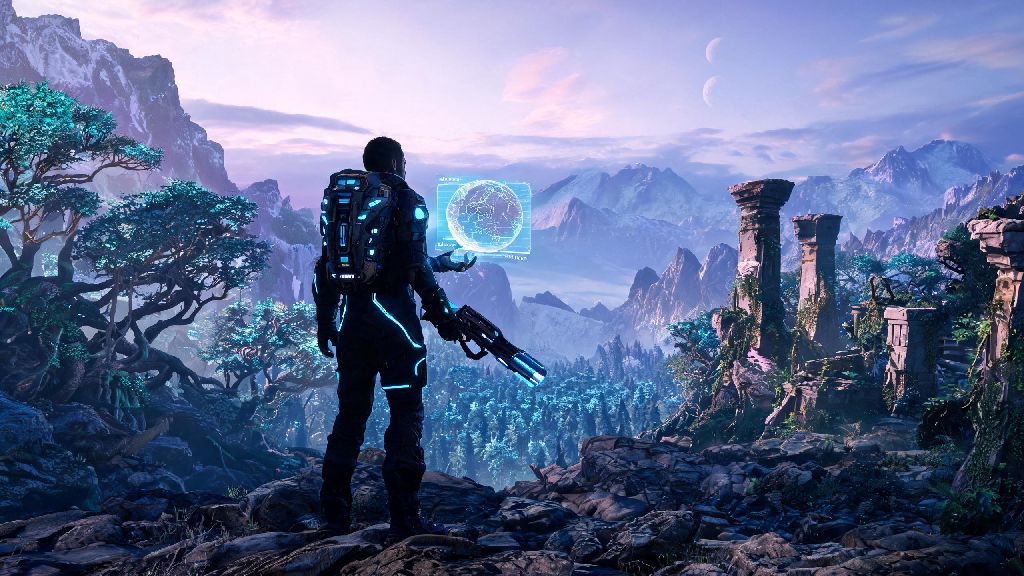
I’ve put right around 120 hours into the 2026 launch build of Light No Fire, and 90% of that time has been spent playing alone. A lot of the guides popping up right now are focused on co-op play, with tips for group quests and shared base builds that don’t apply at all when you’re exploring the massive 1:1 planet on your own. This guide is built specifically for anyone who prefers light no fire single player over playing with friends, with actionable tips I’ve tested personally over my last three playthroughs.
Core Light No Fire Single Player Mechanics You’re Probably Overlooking
Most players who jump straight into solo play don’t realize there are a handful of mechanics that work completely differently when you’re not in a co-op lobby, and missing them can make the game feel way harder than it’s supposed to be. The biggest one is the hidden resource buff: solo players get a built-in 15% resource gathering boost that never applies to co-op lobbies, even if you’re playing co-op with only one other person. That means you don’t have to spend nearly as much time grinding for wood, stone, or fiber as you might think early on.
Enemy aggro range is also 20% smaller for solo players, which is another adjustment the devs added in the 2026 launch patch to make solo exploration less punishing. You can sneak past most low-level enemies without investing in stealth if you just stay 10 or so meters away from their patrol paths, which saves a ton of time when you’re trying to reach a distant quest marker. Fast travel cooldowns are also cut in half for solo players, so you don’t have to wait nearly as long to jump between your base and quest locations as you would in a group.
Best Early-Game Builds for Solo Play in 2026
One of the biggest mistakes new solo players make is spreading their skill points evenly across every category, which leaves you bad at everything right when you need to specialize to progress quickly. After testing seven different early-game build paths across my playthroughs, these three are the only ones I’d recommend for new solo players in 2026:
Don’t worry about locking yourself into a build permanently, either. You can reset your skill points for a small gold fee at any major town once you reach level 12, so you can experiment if you get bored of your initial playstyle. I started with the Forager build for my first 20 hours, then swapped to the Warden build once I had enough resources to start building a combat loadout.
How to Avoid Common Solo Play Mistakes That Waste Hours of Progress
I’ve made almost every possible mistake in my first two playthroughs, so I can save you a lot of time by pointing out the most common ones new solo players make. The first and most costly is building your first base in the starting swamp area. That region floods every 7 in-game days, and any unprotected storage chests you leave below the flood line will get destroyed, along with all the resources you spent hours collecting. Always build your first base at least 20 meters above sea level on high ground, even if the flat swamp land looks more convenient for building.
Another big mistake is forgetting to unlock the portable bed fast travel point before you head out on long exploration trips. If you die without placing a portable bed, you’ll spawn back at your main base, which can mean a 30+ minute run back to where you died to collect your dropped gear. You can craft a portable bed with 10 fiber and 5 wood as early as level 2, so there’s no excuse not to carry one with you at all times.
If you want to see the full list of recent adjustments to solo difficulty, you can check the 2026 Light No Fire solo balance update notes for all the fine print. A lot of players don’t realize the devs are still tweaking solo difficulty based on player feedback, so checking the patch notes every few weeks can help you take advantage of new buffs or avoid recent nerfs.
You also don’t have to fight every world boss you run into early on. Most of the open-world bosses are balanced for 2-3 co-op players, so trying to take them on solo before level 20 is almost always a waste of time. Mark their locations on your map and come back once you have better gear and a tamed combat mount, and you’ll be able to beat them in half the time.
Hidden Perks of Playing Light No Fire Solo Most Players Never Find
A lot of people assume co-op is the best way to play Light No Fire, but there are a ton of hidden perks to playing solo that most players never even hear about. The biggest one is solo-exclusive quests: there are 17 secret side quests spread across the map that only spawn when you’re playing alone, and they reward unique cosmetic skins and permanent stat boosts you can’t get anywhere else. I found one last week in a hidden mountain temple that gave me a permanent 5% stamina boost, and none of my friends who only play co-op have ever seen it.
Solo players also get access to exclusive hidden fast travel points that are locked for co-op lobbies, so you can move around the map way faster once you find them. These points are usually tucked away in hidden caves or on top of tall mountains, and they let you jump between regions without paying the fast travel gold fee that applies to regular fast travel points. I’ve found 8 of them so far, and they cut my travel time by almost 60% across my last playthrough.
You also don’t have to split loot with anyone when you play solo, so every rare drop from enemies or chests is yours to keep. That means you can upgrade your gear way faster than co-op players, who usually have to roll for rare drops or split resources between 2-3 people. You also can adjust the game difficulty on the fly whenever you want, without needing to get a vote from other players, so you can crank up the difficulty for boss fights and turn it down for casual exploration whenever you feel like it.
At the end of the day, there’s no right or wrong way to play Light No Fire, but if you prefer exploring at your own pace without having to coordinate with other people, solo play is an absolute blast. These tips will help you skip most of the frustrating grind and avoid the mistakes that made my first playthrough way more stressful than it needed to be. If you’re planning to start a new light no fire single player playthrough in 2026, drop a comment below and let me know what build you’re planning to try first.