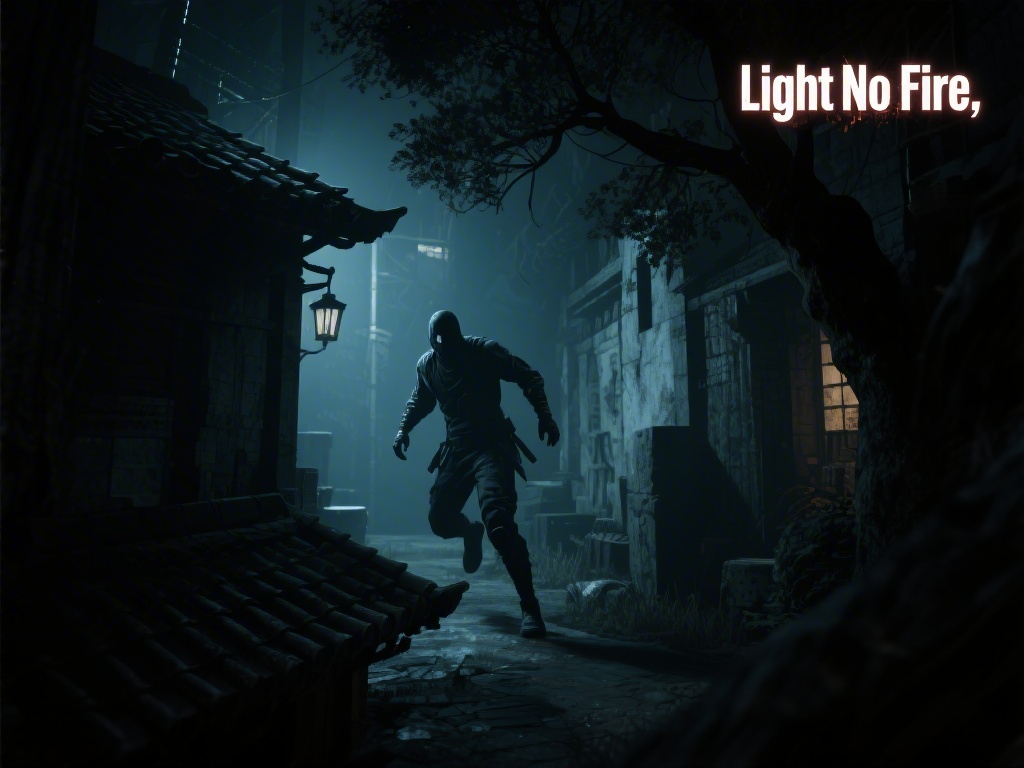
If you’ve been scrolling gaming social media over the past six months, you’ve almost certainly seen snippets of Hello Games’ next big project. After 7 years of development following the massive success of No Man’s Sky, the 2026 light no fire game release is finally around the corner, and it’s shaping up to be one of the biggest sandbox launches of the decade. I got access to the closed beta test back in early January 2026, and I’ve been digging through every dev update and leak ever since to pull together all the most important details for anyone thinking of picking it up at launch.
What the 2026 Light No Fire Game Release Delivers That No Other Open World Game Does
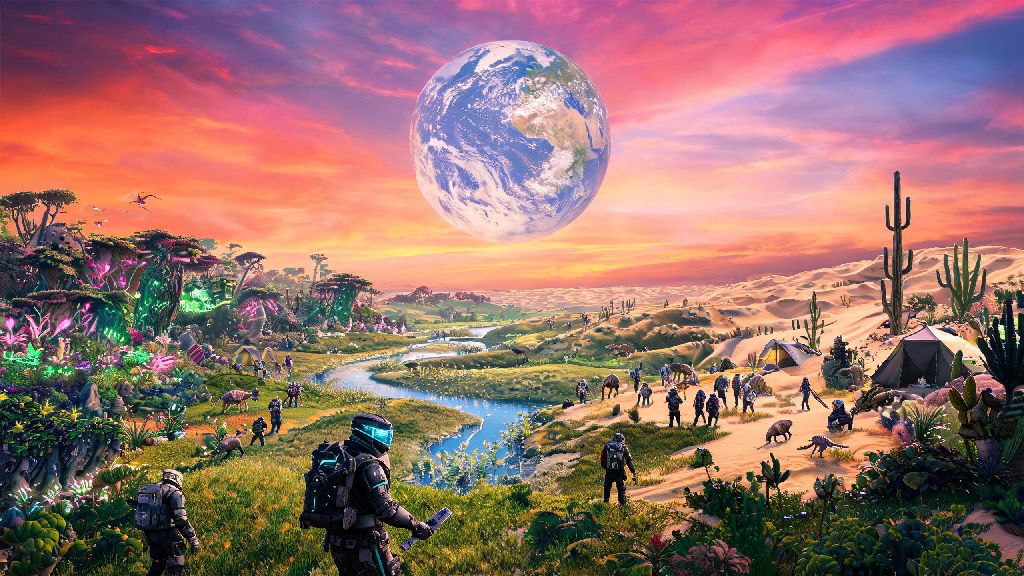
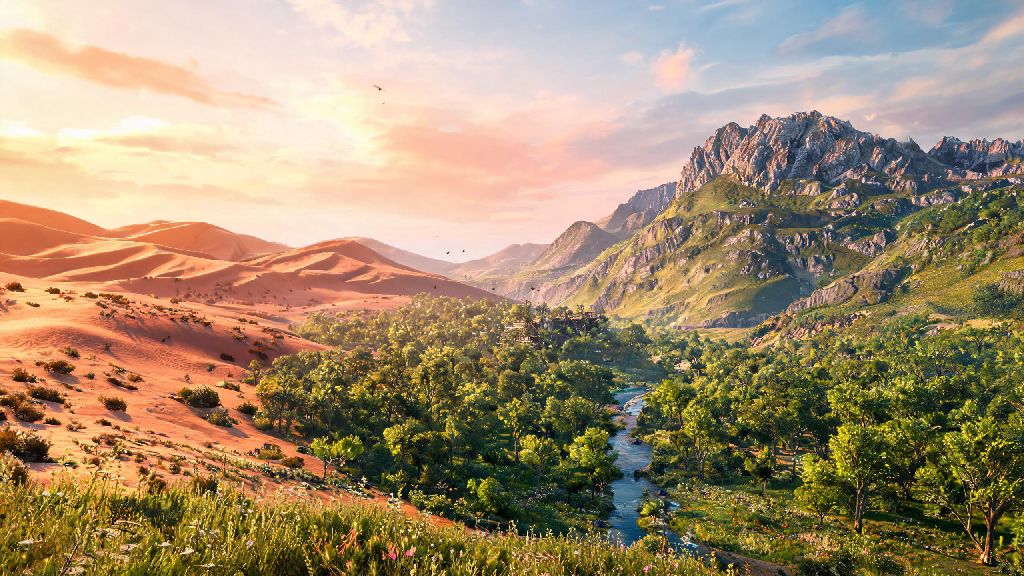
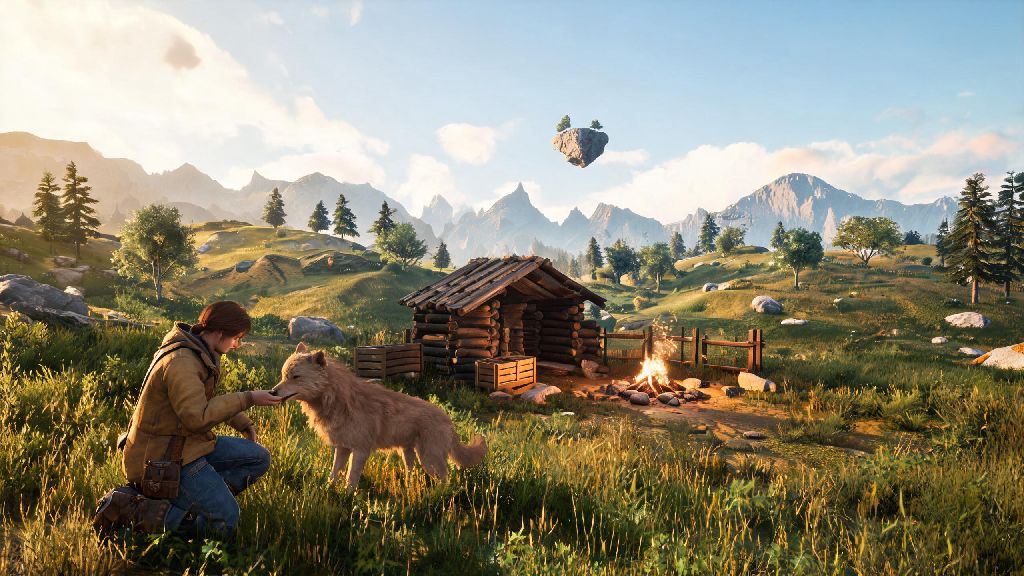
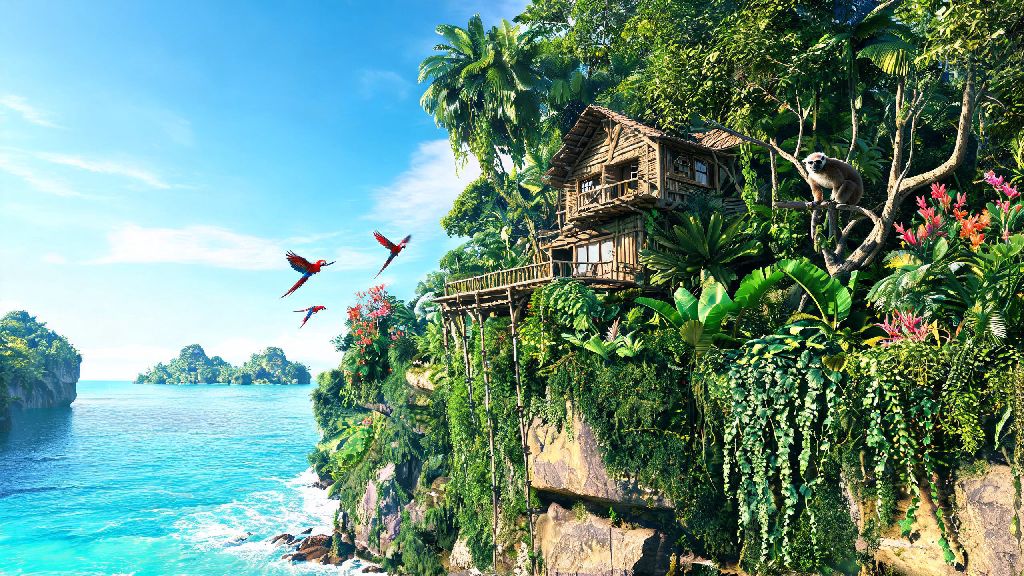
Unlike No Man’s Sky’s focus on infinite galaxy exploration, Light No Fire centers on a single, shared, 1:1 scale terrestrial planet that every player across all platforms occupies at the same time. I spent 12 hours wandering tropical biomes and building a small cliffside cabin during the beta, and I can confirm the world feels far more lived-in than any procedural open world I’ve played before. There are no loading screens between biomes, and the terrain generation is advanced enough that you won’t run into copy-pasted rock formations or tree clusters even after hours of walking in a straight line.
The devs have confirmed all core features below will be available on launch day, no post-launch unlock required:
Another huge difference from similar sandbox titles is the persistent player-built settlements that don’t reset after server updates or patches. Any structure you build will stay in the exact spot you placed it permanently, unless you choose to tear it down yourself, or another player destroys it in an optional PvP zone. That means you can spend weeks building a massive, multi-level town, and it’ll still be there for you and other players to visit years down the line.
Pre-Order Perks and Launch Day Edition Differences You Should Know About
Hello Games has rolled out three different launch editions for the game, each with different perks and price points. The standard edition costs $59.99, and comes with the base game plus a pre-order exclusive set of rare starting building tools that let you construct your first shelter 2x faster than normal. It’s the best pick for casual players who don’t care about early access or cosmetic bonuses, and you don’t lose any core gameplay features by picking this edition.
The $79.99 deluxe edition comes with the base game, exclusive early access 48 hours before official launch, a limited-edition in-game pet glider that can’t be unlocked any other way after launch, 10 exclusive building skins, and a 50-page digital art book with concept art from the game’s 7-year development cycle. The collector’s edition costs $149.99, and includes all deluxe edition perks plus a physical cloth map of the game’s starting continent, a 6-inch wanderer character statue, and a vinyl copy of the original game soundtrack. If you’re on the fence about pre-ordering, you can check the official Light No Fire pre-order listing for region-specific pricing and platform availability.
I went with the deluxe edition personally, because the early access window means I can claim a good spot for my permanent settlement before the servers get flooded with players on official launch day. But if you’re not in a rush to start playing, or you don’t care about cosmetic items, the standard edition is more than enough to get the full experience.
Expected Launch Day Issues and How to Avoid Common Headaches
Even with all the devs’ testing, launch day for a massive online sandbox game always comes with bugs and issues, and Light No Fire will be no exception. During the beta weekend in mid-January 2026, server queues lasted up to 2 hours during peak playtime, and around 10% of players reported cloud save sync issues that made them lose 4+ hours of progress. There was also a common bug where players spawning in arctic biomes would spawn without cold resistance gear, making them die within 30 seconds of logging in for the first time.
There are a few easy steps you can take to avoid most of these headaches. First, back up your local save files manually every hour when you play in the first week, even if you have cloud sync turned on. The devs have fixed the beta sync bug, but it’s always better to be safe than sorry when you’re spending hours building a settlement. Second, avoid logging in during the first 2 hours after official launch if you don’t want to sit through long queues. The devs have added 3x more server capacity than they used for the beta, but launch day traffic is always unpredictable, and you’ll save a lot of time by waiting for the initial rush to die down.
If you’re playing on PC, make sure you update your graphics drivers to the latest version before installing the game. The beta had a lot of frame drop issues with older NVIDIA and AMD drivers that were fixed in the latest updates, so you’ll get much smoother performance if you update ahead of time. You should also make sure you have at least 120 GB of free storage space, the launch day install is 85 GB, and the first day one patch is expected to be around 20 GB, so you’ll need extra space for that.
Community Events Planned for the First Month Post-Launch
The devs have already announced a full lineup of community events for the first 30 days after launch, designed to get players working together and exploring the planet. The biggest event is the global “Map the Planet” challenge, where every player’s exploration discoveries contribute to a shared global map. Once 10% of the planet’s surface is mapped, every player who contributed at least 10 new discoveries gets a free exclusive exploration backpack skin that gives you 20% more inventory space for foraging items.
There’s also a settlement building contest running for the first two weeks after launch. Players can submit screenshots of their settlements to the official Hello Games Discord server, and the top 3 settlements chosen by the dev team will be featured in the first post-launch game trailer. The winners also get a free copy of the next Hello Games title, plus a custom in-game plaque for their settlement that marks it as an official community favorite.
Weekly community quests will go live every Friday for the first month, with goals like hunting a rare legendary animal, planting 1 million trees across the planet, or building 10,000 new community shelters for new players. Every quest completion gives global rewards for all players, like double resource spawn rates for 24 hours, or free building skins for everyone. The devs are also hosting live Q&As every Friday for the first month, where they’ll answer player questions and reveal upcoming content plans for the rest of 2026.
Whether you’re a long-time No Man’s Sky fan, or you just love open world sandbox games where you can build, explore, and interact with other players at your own pace, the 2026 light no fire game release is definitely worth keeping an eye on. I’ve been playing sandbox games for over 15 years, and I haven’t been this excited for a launch in a long time, the beta felt like a fresh take on the genre that avoids a lot of the common pitfalls of procedural open world games. If you do pick it up at launch, keep an eye out for my cliffside cabin in the tropical southern biome, I’ll be the one with the bright blue roof and the pet fox wandering around the yard.