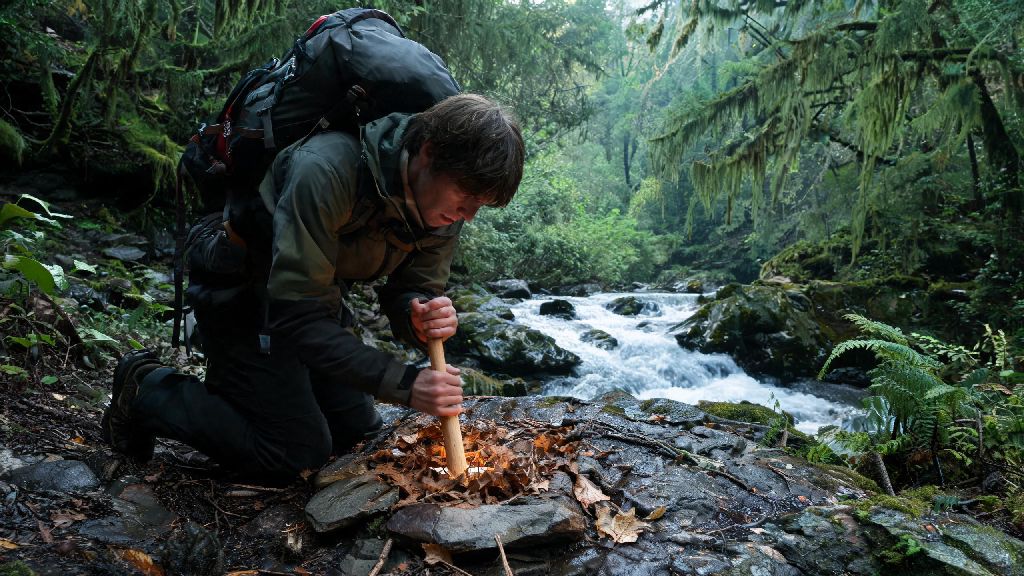
Last fall, I was 12 miles deep in the Appalachian backcountry when I fumbled my only lighter into a rushing stream mid-hike. I’d packed extra fire starters, matches, even dry tinder, but all of it was tucked in the same pocket as that lighter, and all of it went under water too. That stressful afternoon was the first time I had to put all the prepping tutorials I’d watched to use, and I learned firsthand how to start fire no lighter using only the supplies I could find around my campsite and the few random items in my backpack. If you’ve ever found yourself stuck without an ignition source, or just want to build critical survival skills for your next trip, the methods below are tested, low-effort, and work even in damp, cool conditions.
What You Need to Prepare Before You Learn How to Start Fire No Lighter
You can have the best fire-starting technique in the world, but you won’t get a flame going if you don’t have the right materials prepped first. The biggest mistake most first-timers make is skipping prep work and jumping straight to rubbing sticks together, which wastes time and energy you might not have if you’re cold or stuck after dark. You only need three core components to build a successful fire, regardless of the ignition method you use.
First, you need dry, fluffy tinder that will catch even the smallest spark or focused heat. Next, you need pencil-thick kindling that will catch the flame from your tinder and grow it large enough to burn bigger pieces of wood. Finally, you need arm-thick fuel logs that will keep your fire burning for hours once it’s established. If you’re in a damp area, peel off the outer wet layer of any wood you find to get to the dry wood inside, it’ll catch far easier.
You don’t need to pack special tinder to pull this off, either. There are dozens of natural and common household items you can use, including:
Collect twice as much tinder as you think you’ll need, it’s very common to burn through your first few piles before you get a steady flame going. All of these methods work perfectly if you’re figuring out how to start fire no lighter for the first time, as long as you have enough dry tinder to work with.
Top 3 Low-Effort Methods for Starting Fire Without a Lighter
You don’t need to master ancient friction fire techniques to get a flame going without a lighter, there are far easier methods that work for most people with zero practice. I’ve tested all of these methods in real camping conditions, and all of them work in under 5 minutes if you have the right prepped materials.
The solar ignition method is by far the easiest if you’re out on a sunny day. All you need is a clear convex lens, which can be a magnifying glass, the lens from a pair of prescription reading glasses, a clear plastic water bottle, or even a clear plastic bag filled with water. Hold the lens between the sun and your tinder pile, adjusting the angle until you get a small, focused bright dot on the tinder. Hold that dot steady for 10 to 30 seconds, until the tinder starts to smoke and glow, then blow gently to encourage a flame. The only downside of this method is that it won’t work on cloudy days or after dark.
The ferro rod strike method is another great option if you keep a ferrocerium rod in your backpack, which most experienced campers do as a backup ignition source. Hold the rod close to your tinder pile, then scrape the metal striker (or the back of a fixed-blade knife) down the length of the rod hard to create sparks. Aim the sparks directly at the center of your tinder pile, and once it glows, blow gently to get a flame. Ferro rods work in rain, snow, and freezing temperatures, so they’re a far more reliable option for variable weather.
The fire bow method is the most well-known friction technique, and it’s easier to pull off than you might think once you get the motion down. You’ll need a curved piece of wood for the bow, a length of cord or paracord to string it, a straight hardwood spindle, and a flat piece of softwood for the fire board. Run the spindle back and forth across the fire board using the bow to create friction, which will create a small pile of hot dust. Once the dust glows, tip it onto your tinder pile and blow gently to get a flame. I still have a small scar on my palm from the first time I tried this and slipped mid-pull, so take it slow and wear gloves if you have them.
Common Mistakes That Will Stop Your Fire From Catching
Even if you’re using the right method and have good materials, small mistakes can derail your fire before it even starts. I’ve made all of these mistakes myself, so you don’t have to waste your time repeating them.
The most common mistake is using tinder that’s even slightly damp. If your tinder doesn’t feel completely dry to the touch, don’t waste your time trying to light it. Look for birch bark or pine needles that are under thick tree cover, or peel off the inner layer of cedar bark to get to dry material inside. Another common error is not building a small wind break around your tinder pile before you start. Even a small breeze can blow sparks away or put out a small flame before it can catch the kindling. You can use rocks, logs, or even your backpack to block wind while you’re starting the fire.
You also want to avoid stacking large logs too early. A lot of people build a full log cabin structure before they even have a tinder flame going, which blocks airflow and smothers the small flame before it can grow. Start with your tinder, add small kindling once the tinder is fully lit, then slowly add larger pieces of wood as the flame grows. If you add wood too fast, you’ll put out the fire before it has a chance to take hold. Don’t be afraid to adjust your wood stack as you go, airflow is just as important as heat for a healthy fire.
Safety Rules to Follow Every Time You Start Fire Without a Lighter
Starting a fire in the backcountry always comes with risk, especially if you’re working with new techniques you haven’t practiced before. These rules will keep you, your group, and the surrounding wilderness safe every time.
First, always check local fire restrictions before you head out. Many areas ban open fires during dry summer months to prevent wildfires, and you can face heavy fines or even criminal charges if you start a fire when restrictions are in place. Next, build your fire in an existing fire ring if one is available, at least 10 feet away from tents, trees, dry brush, or any other flammable materials. Clear a 3-foot area around the fire pit of all leaves, pine needles, and debris to prevent the fire from spreading.
Always have a way to put the fire out close by, whether that’s a bucket of water, a jug of water, or a pile of dirt. Never leave a fire unattended, even for a minute. When you’re ready to put the fire out, pour water over it, stir the ashes, and pour more water until all the ashes are cool to the touch. Fully extinguishing your fire before leaving is non-negotiable, even if you think it’s already burned out completely. I once came back to a campsite 2 hours after I put a fire out and found a small glowing coal under a pile of ash, so don’t cut corners on this step.
Whether you’re prepping for an emergency, or just want to impress your camping friends on your next trip, knowing how to start fire no lighter is one of the most useful outdoor skills you can build. You don’t need fancy gear or years of training to pull it off, just a little bit of prep, practice, and knowledge of what methods work best for the conditions you’re in. Next time you head out, take 10 minutes to test one of these methods at your campsite before you need it, and you’ll never be stuck without a fire again, even if you lose your lighter mid-trip.