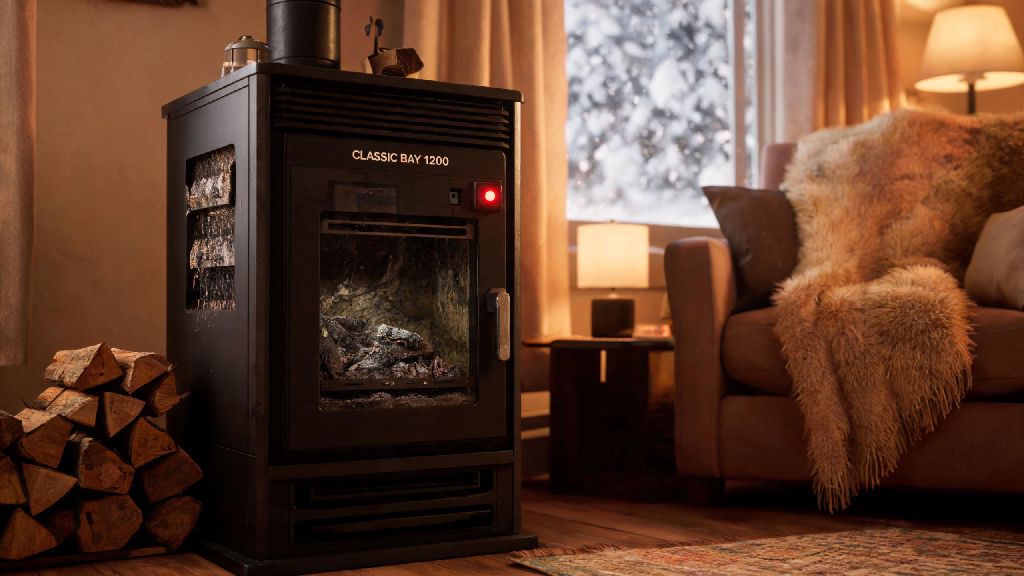
It’s 6 p.m. on a cold winter evening, you load up your Classic Bay 1200 pellet stove, hit the start button, and wait for the cozy warmth to kick in. But instead of flames and heat, you’re staring at a blinking call light and zero sign of combustion. If you’re dealing with a classic bay 1200 call light on no fire situation, you don’t have to immediately call a costly repair technician. Most of the time, this issue stems from easy-to-fix minor problems you can resolve on your own in 30 minutes or less, as long as you know what to check first.
Common Causes of Classic Bay 1200 Call Light On No Fire Issues
Understanding why your stove is throwing this error will help you troubleshoot faster, instead of wasting time checking parts that are unlikely to be the problem. Clogged burn pot or exhaust vent is the most common culprit by far. Pellet stoves create small amounts of ash and creosote as they burn, and even a thin layer of buildup can block airflow enough to prevent ignition. The stove’s safety sensors will trigger the call light and shut down the ignition sequence to avoid overheating or gas buildup when airflow is restricted.
Another frequent cause is a faulty or misaligned ignition element. The igniter is the small heating rod that heats up to light the pellets when you start the stove. If it’s burned out, covered in ash, or shifted out of position, it won’t get hot enough to ignite the fuel, so the call light will turn on after a failed ignition attempt. You might also be dealing with insufficient or low-quality pellet fuel, or a malfunctioning safety sensor that’s sending a false error signal to the control board.
Step-by-Step Troubleshooting to Fix the Issue
Before you start troubleshooting, always unplug your stove first to avoid the risk of electric shock or accidental ignition. You only need a few basic tools for this process: a stiff wire brush, a vacuum with a hose attachment, a dry microfiber cloth, and a multimeter if you have one (though it’s not required for basic checks). Follow these steps in order to narrow down the root cause quickly:
If you complete all these steps and the call light is still on with no fire, you can try resetting the stove’s control board by unplugging it for 10 minutes, then plugging it back in and running a test cycle. Many minor glitches with the control board will clear with a simple reset, so this step is always worth trying before you move on to more advanced repairs or call a technician.
When to Call a Professional for Repairs
Most of the time, the troubleshooting steps above will fix your issue without any extra help, but there are a few cases where you should call a certified pellet stove technician instead of trying to fix the problem yourself. First, if you suspect the control board is broken – the control board is the "brain" of your stove, and replacing it requires working with live electrical wiring and programming the new board to match your specific model. If you don’t have experience with electrical repairs, you could damage the new board or hurt yourself trying to install it.
Next, if you have a blocked flue that you can’t reach on your own – if the blockage is deep in the exhaust flue that runs through your wall or roof, you’ll need a professional with specialized tools to clear it safely, as a partially blocked flue can cause carbon monoxide buildup in your home. Never ignore a persistent call light, even if you don’t see any obvious issues – the safety sensors on your stove are designed to prevent dangerous situations like fires or carbon monoxide leaks, so a persistent error signal means there’s a problem you need to address immediately.
Most certified pellet stove repair calls cost between $75 and $150 for a diagnostic visit, which is much cheaper than dealing with a house fire or carbon monoxide poisoning from a malfunctioning stove, so don’t put off calling for help if you can’t resolve the issue on your own. Many repair companies also offer annual maintenance plans that cover regular cleanings and discounted repair visits if you use your stove frequently.
Preventive Steps to Avoid Future No-Fire Errors
You can reduce your risk of dealing with a call light and no fire issue by 90% just by following a few simple regular maintenance steps for your Classic Bay 1200. First, clean your stove thoroughly at least once a month during heating season, and twice a year if you use it every day. That means emptying the ash tray every 2-3 days, scrubbing the burn pot once a week, and inspecting the exhaust vent for buildup once a month. It takes less than 10 minutes a week to do these quick checks, and they’ll save you hours of frustration later.
Next, always store your pellets in a dry, airtight container off the ground, in a cool area of your home or garage. Never store pellets outside where they can get rained on or absorb moisture from humid air, as damp pellets are one of the top causes of ignition failures. Only use premium hardwood pellets with a moisture content of 8% or less – while cheaper softwood pellets might seem like a good deal, they produce more ash and creosote buildup, and they’re more likely to cause ignition issues than high-quality hardwood pellets.
You should also have your stove professionally inspected once a year before the start of heating season, to catch any small issues like a worn igniter or dirty sensor before they turn into bigger problems that leave you without heat in the middle of winter. Most inspection visits cost less than $100, and many companies will throw in a full cleaning for a small extra fee during the same visit.
Dealing with a classic bay 1200 call light on no fire issue can be frustrating, especially when you’re counting on your stove to keep your home warm. But as we’ve covered, most of these issues are easy to diagnose and fix on your own with basic tools and a little bit of time, and you don’t have to spend hundreds of dollars on a repair call unless you’re dealing with a more complex electrical or flue issue. If you follow the troubleshooting steps we laid out and stick to a regular maintenance schedule, you can keep your Classic Bay 1200 running reliably for years to come, with very few unexpected errors or shutdowns.