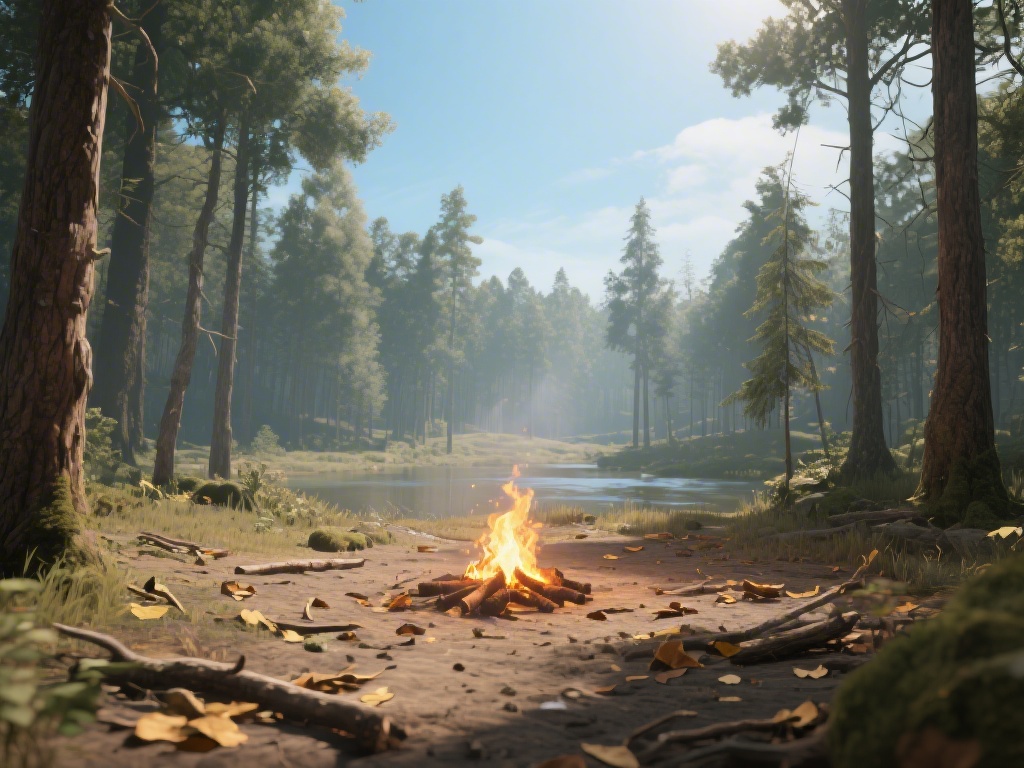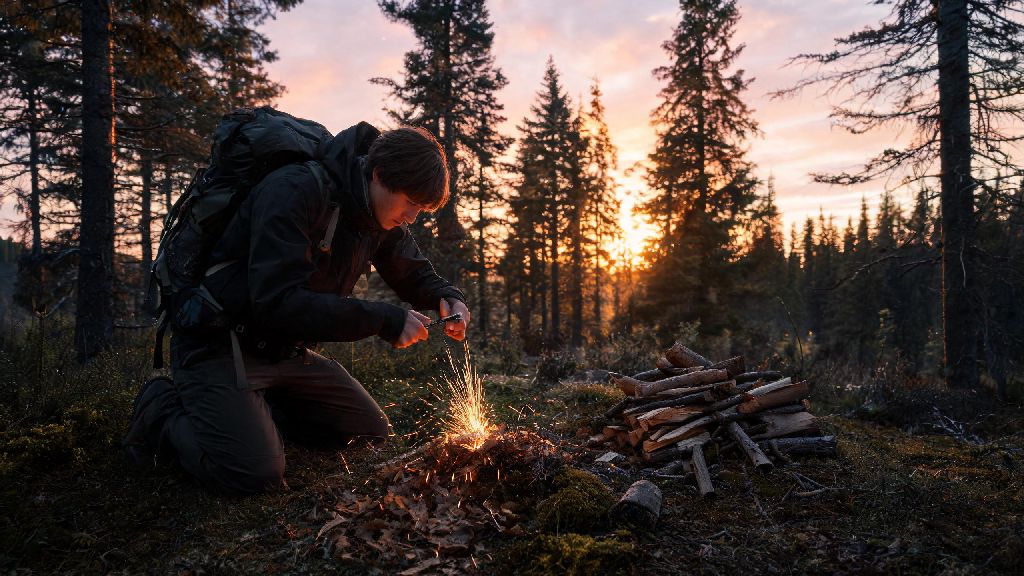
You're on a backcountry hike, you stop to set up camp as the sun dips below the treeline, and you reach for your pocket to pull out your lighter only to realize it fell out somewhere on the last 3 miles of trail. You don't have matches either, and the temperature is dropping fast. This is exactly why you need to know the best way to start a fire with no lighter, even if you only have random items in your pack or scattered around your campsite. I've spent 12 years leading backcountry camping trips for youth groups, and I've tested every single no-lighter fire method out there to narrow down the most reliable options for beginners and experienced campers alike.
What Is the Best Way to Start a Fire With No Lighter for Beginners?
If you're new to survival skills, the most reliable, low-fuss option is using a ferrocerium rod, if you keep one in your pack or car emergency kit. That's not cheating, by the way—ferro rods are small, lightweight, and don't rely on fuel or dry conditions the way lighters or matches do. You can strike a ferro rod even when it's soaking wet, and it produces sparks hot enough to ignite tinder at 5,400 degrees Fahrenheit. I always keep one on my keychain for this exact reason, and I've used it to start fires in rain, snow, and 30 mph wind gusts with almost no practice. You don't need any fancy tools to pull off the best way to start a fire with no lighter, just a bit of patience and the right prep work. If you don't have a ferro rod on you, the next most accessible beginner-friendly method is the friction-based bow drill, which only requires wood you can find in almost any forested area. It takes a bit more practice, but once you get the motion down, you can get an ember in under 2 minutes even with subpar wood.
Top 3 No-Lighter Fire Starting Methods You Can Use With Common Items
You don't need fancy survival gear to start a fire without a lighter. I've successfully started fires with items I found in my jacket pocket, my hiking pack, and even trash left behind at a rest stop. Most of these methods work even if you've never tried to find the best way to start a fire with no lighter before, so don't be intimidated. These are the three most reliable methods that work with items most people already have on hand when they're stuck:
That's right, you don't need to buy expensive gear to pull any of these off. I once used a pair of prescription reading glasses I found in the bottom of my pack to start a fire on a sunny fall day in under 30 seconds, no friction required. The lens method is by far the easiest if you have bright sunlight, but it won't work at night or on overcast days, so you should always have a backup method in mind.
Key Prep Steps That Make Any No-Lighter Fire Attempt 2x More Successful
Even the best fire starting method won't work if you don't prep your tinder and fire lay correctly first. I've seen people spend 20 minutes trying to get an ember with a bow drill, only to have it fizzle out because their tinder was damp or they didn't have kindling ready to go. Your tinder bundle is the most important part of any no-lighter fire attempt—it needs to be small, dry, and fluffy enough to catch a single spark or tiny ember and turn it into a small flame. You can make a tinder bundle out of dried grass, birch bark shavings, cotton balls, dryer lint, or even the fuzzy inner bark of cedar trees. If you're camping in damp conditions, you can dry out small pieces of tinder by tucking them inside your jacket against your body for 10 to 15 minutes before you try to start your fire.
Once you have your tinder bundle ready, you should also stack small kindling (twigs no thicker than a pencil) in a teepee shape next to it, so you can transfer the burning tinder directly under the kindling to build the fire larger quickly. You should also have larger pieces of firewood prepped and within arm's reach before you start trying to create an ember, so you don't have to run off looking for wood while your small flame dies out. I always prep my entire fire lay before I even pick up my ferro rod or bow drill, and that simple habit has cut my average fire starting time in half over the years.
Common Mistakes That Will Ruin Your No-Lighter Fire Attempt
A lot of first-timers get frustrated when they can't start a fire without a lighter, but 90% of the time it's not the method that's the problem—it's small, avoidable mistakes. The most common mistake I see is people using wet or green wood for their bow drill spindle or fire board. Green wood has too much moisture, so it will just create a wet, smelly paste instead of a hot ember when you rub the two pieces together. You should always use dead, dry, rotting-free wood for any friction-based fire method.
Another common mistake is people blowing too hard on their ember once they transfer it to the tinder bundle. Blowing too hard will either put the ember out or scatter it across the ground, so you should blow slow, steady breaths just above the ember to feed it oxygen without extinguishing it. You also don't want to build your fire lay directly on wet ground or snow, because the moisture will seep up into the kindling and put your fire out before it can get big enough to sustain itself. Lay down a layer of dry bark or small sticks first to create a barrier between your fire and the wet ground. If you're dealing with strong wind, you can also build a small windbreak out of rocks or logs around your fire lay to keep gusts from blowing your ember or small flame out.
At the end of the day, knowing how to start a fire without a lighter is one of the most useful survival skills you can have, whether you're a casual camper or you spend most of your free time out in the backcountry. The best way to start a fire with no lighter will always be the method you've practiced enough to pull off quickly when you're stressed, cold, or dealing with bad weather. I recommend picking one of the methods we covered earlier and practicing it a few times in your backyard before you head out on your next trip, so you don't have to learn how to do it when you're stuck in a real emergency. Even 10 minutes of practice with a bow drill or ferro rod will make you way more confident the next time you find yourself without a lighter.